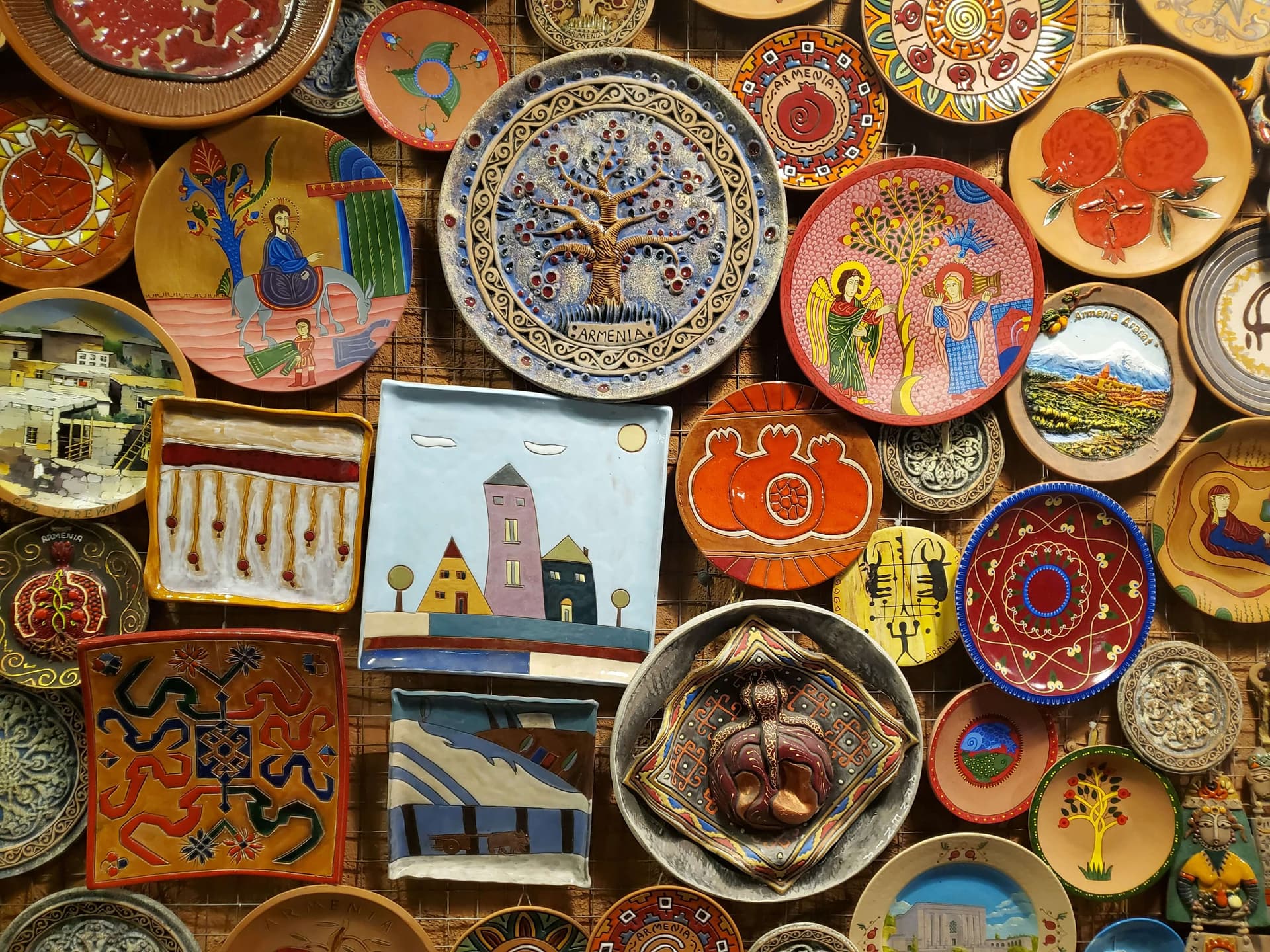
Why Armenians Always Find Each Other Anywhere in the World
Share
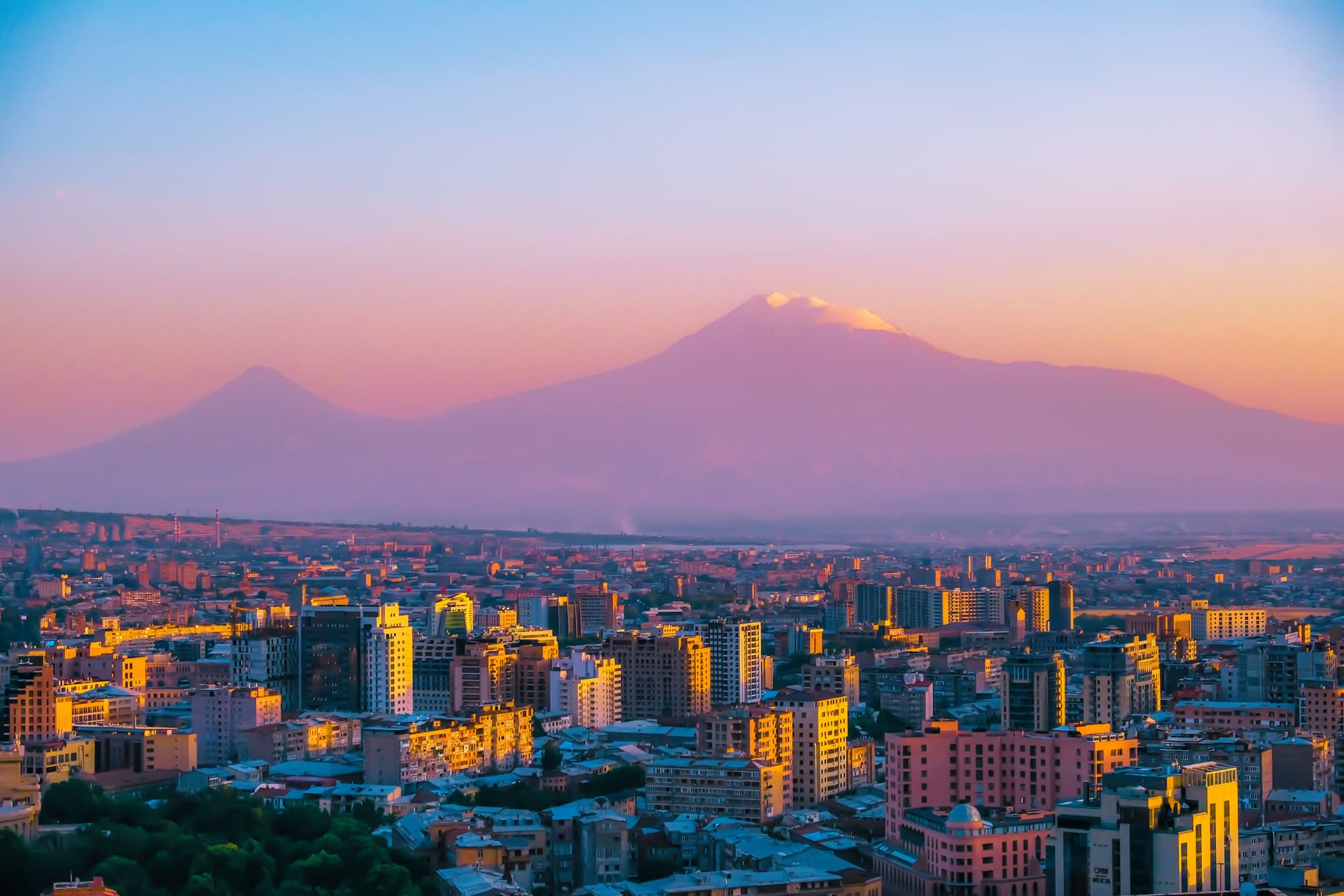
It doesn’t matter where you go — Los Angeles, Paris, Moscow, Beirut, or even a small town you’ve never heard of — somehow, Armenians always find each other.
You might hear the language across a café.
You might recognize a last name.
Or sometimes, it’s just a feeling — and you ask, “Are you Armenian?”
And more often than not, the answer is yes.
But this isn’t coincidence. It’s something much deeper.
A History That Created a Global Network
To understand this phenomenon, you need to understand Armenian history.
For centuries, Armenians have lived not just in Armenia, but across the world. Trade routes, migration, and historical events spread Armenians across Europe, the Middle East, Russia, and eventually the United States.
Over time, this created something unique:
A decentralized but deeply connected global community.
Unlike many cultures that are concentrated in one region, Armenians developed the ability to:
Adapt to new environments
Maintain identity abroad
Build communities from scratch
This laid the foundation for what we see today.
The Power of a Shared Identity
Armenians don’t just share a nationality — they share a strong cultural identity.
This includes:
Language
Traditions
Food
Values
Historical memory
Even when Armenians are generations removed from Armenia, these elements remain.
And because of that, recognition happens quickly.
A last name ending in “-yan”
A familiar accent
A shared cultural reference
These small signals are enough to create an instant bond.
The Unspoken Rule: Connect First
There’s an unwritten rule in Armenian culture:
If you meet another Armenian, you connect.
It doesn’t matter if you’re strangers. There’s an immediate openness:
- Conversations start easily
- Questions come naturally (“Where are you from?” “Which family?”)
- Common connections are quickly discovered
This behavior isn’t forced — it’s instinctive.
It comes from generations of relying on each other in unfamiliar places.
Community as a Survival Mechanism
Historically, Armenians often lived as minorities in different countries.
In those environments, community wasn’t just important — it was essential.
People relied on each other for:
Business opportunities
Housing
Information
Support
This created a culture where helping another Armenian wasn’t optional — it was expected.
That mindset still exists today, even in modern, globalized cities.
The Role of Business and Networking
One of the strongest ways Armenians connect is through business.
You’ll often see:
Armenian recommending Armenian professionals
Business owners helping each other grow
Strong referral networks within the community
This isn’t just cultural — it’s practical.
Trust plays a huge role. When people feel understood culturally and linguistically, they are more likely to:
Do business together
Build long-term relationships
Recommend services within their network
Technology Is Amplifying the Connection
What used to happen through word of mouth is now happening at scale.
Today, platforms like Hayashat make it easier than ever to:
Discover Armenians in your city
Find trusted services
Stay connected globally
Instead of asking around for recommendations, you can now:
Search instantly
Explore verified listings
Connect directly
Technology didn’t create the Armenian network — it just made it visible.
A Global Yet Personal Community
What makes the Armenian diaspora unique is this balance:
It is global — spread across continents
But it feels local — wherever you are
You can land in a new city and still feel a sense of familiarity once you find the community.
That’s rare.
Why This Still Matters Today
In a world that’s becoming increasingly individualistic, this kind of connection stands out.
It creates:
Trust
Support systems
Opportunities
Cultural continuity
And perhaps most importantly, it creates belonging.
Final Thought
Being Armenian isn’t just about geography.
It’s about connection.
It’s about recognizing something familiar in someone you’ve never met — and choosing to build a bridge instantly.
And that’s why, no matter where you go, Armenians always find each other.
Related Articles
 Armenian Culture
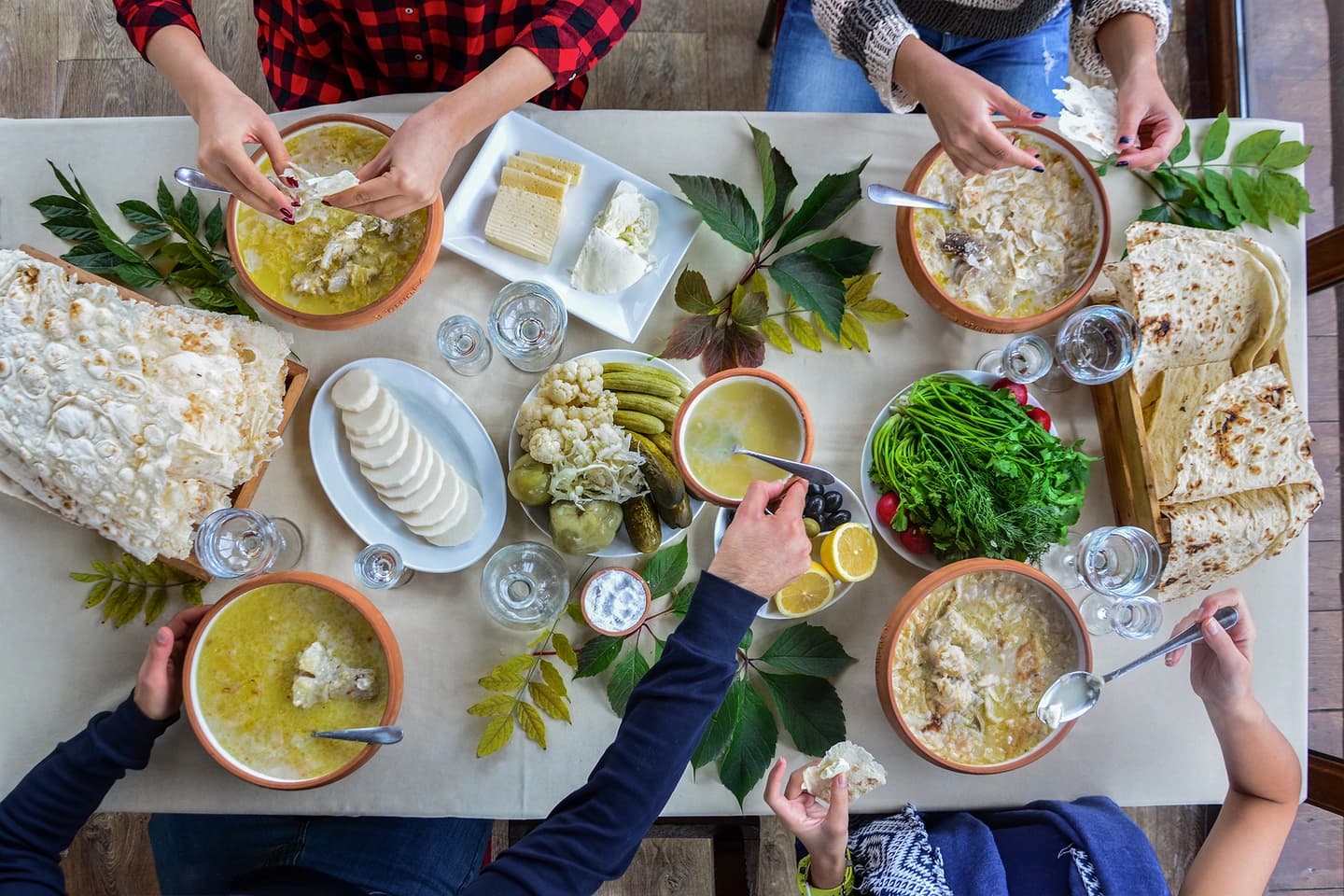
What Is Khash? Discover Armenia’s Traditional Winter Soup & Cultural Ritual
Khash is more than just a dish - it’s a centuries-old Armenian ritual centered around community, tradition, and bold flavors. Learn what khash is, how it’s made, and why it remains one of Armenia’s most iconic winter experiences.
 Armenian Culture
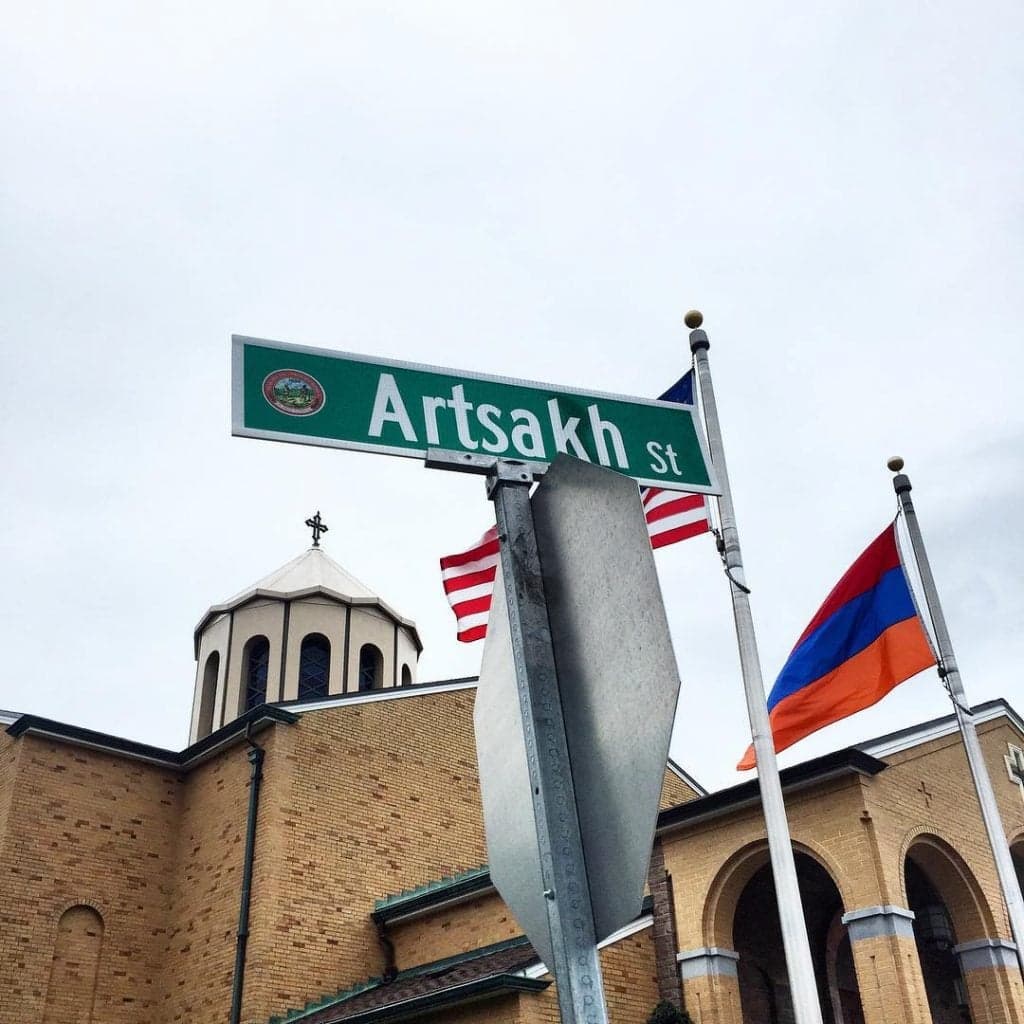
Glendale: The Heart of Armenian Life in the United States
Glendale, California is home to one of the largest Armenian communities outside Armenia, with a rich history of immigration, thriving businesses, and strong cultural influence. Discover how Armenian Americans have shaped the city and why it remains a key hub for Armenian-owned businesses in the Unit